Why Custom Garment Printing Still Matters for Brand Identity
When I first got into the apparel business more than a decade ago, I thought the hard part was getting the design right. I spent weeks tweaking a logo, picking fonts, and agonizing over a color palette. Then I learned that the real work starts when you have to put that design on a shirt, a hoodie, or a hat. That is where custom garment printing comes in, and it is where a lot of brands either nail their first impression or miss the mark entirely.
I have seen companies spend thousands on a website and social media campaign, then hand out polyester blend tees with a logo that cracks after two washes. It is a waste of money and a missed opportunity. A printed garment is a walking billboard. It is seen by dozens, sometimes hundreds, of people over its lifetime. If the print quality is poor, the message you send is that your brand does not care about details. That is a hard association to undo.
The Real Cost of Cheap Printing
Early in my career, I worked with a small startup that wanted to order 200 shirts for a trade show. They went with the cheapest bidder they could find online. The price was half of what everyone else quoted. The shirts arrived two days before the show, and the prints looked fine out of the bag. By the end of the first day, though, the ink had started to peel on several of them. By the second day, the graphics were faded and cracked. The startup had to apologize to potential customers and explain that the shirts were not a reflection of their product quality. It was an embarrassing lesson.
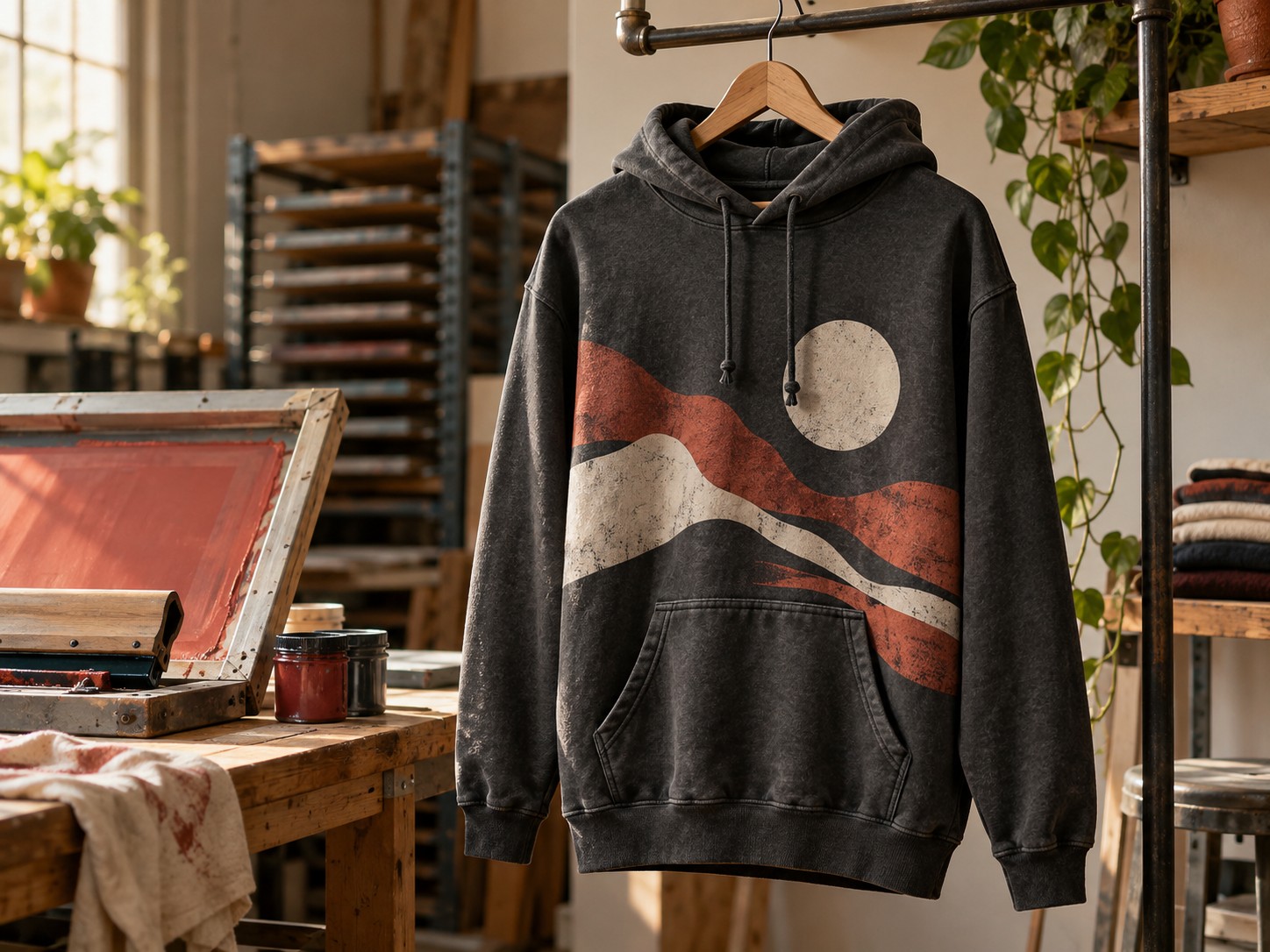
That experience taught me that custom garment printing is not just about putting ink on fabric. It is about choosing the right method for your fabric, your design complexity, and the volume you need. For example, screen printing is fantastic for large runs of simple, bold graphics. The ink sits thick on the fabric, lasts through many washes, and the cost per unit drops as the quantity increases. But if you need a highly detailed photographic image on a small run of jackets, screen printing is going to be expensive and difficult. That is when you might look at direct-to-garment (DTG) printing or heat transfer methods. Each approach has trade-offs in feel, durability, and cost.
Matching the Method to the Garment
I have also learned that the garment itself matters as much as the print. A heavy 100 percent cotton t-shirt takes ink differently than a tri-blend performance fabric. Cotton absorbs ink and holds it well, which is why screen printing works so beautifully on it. Synthetic fabrics, on the other hand, require special inks and heat settings to bond properly. If you use standard plastisol ink on a polyester shirt without the right additive, the print might crack or the shirt might bleed dye into the ink. I have ruined a batch of otherwise good shirts by ignoring the fabric composition. Now I check the care label before I even think about the print method.
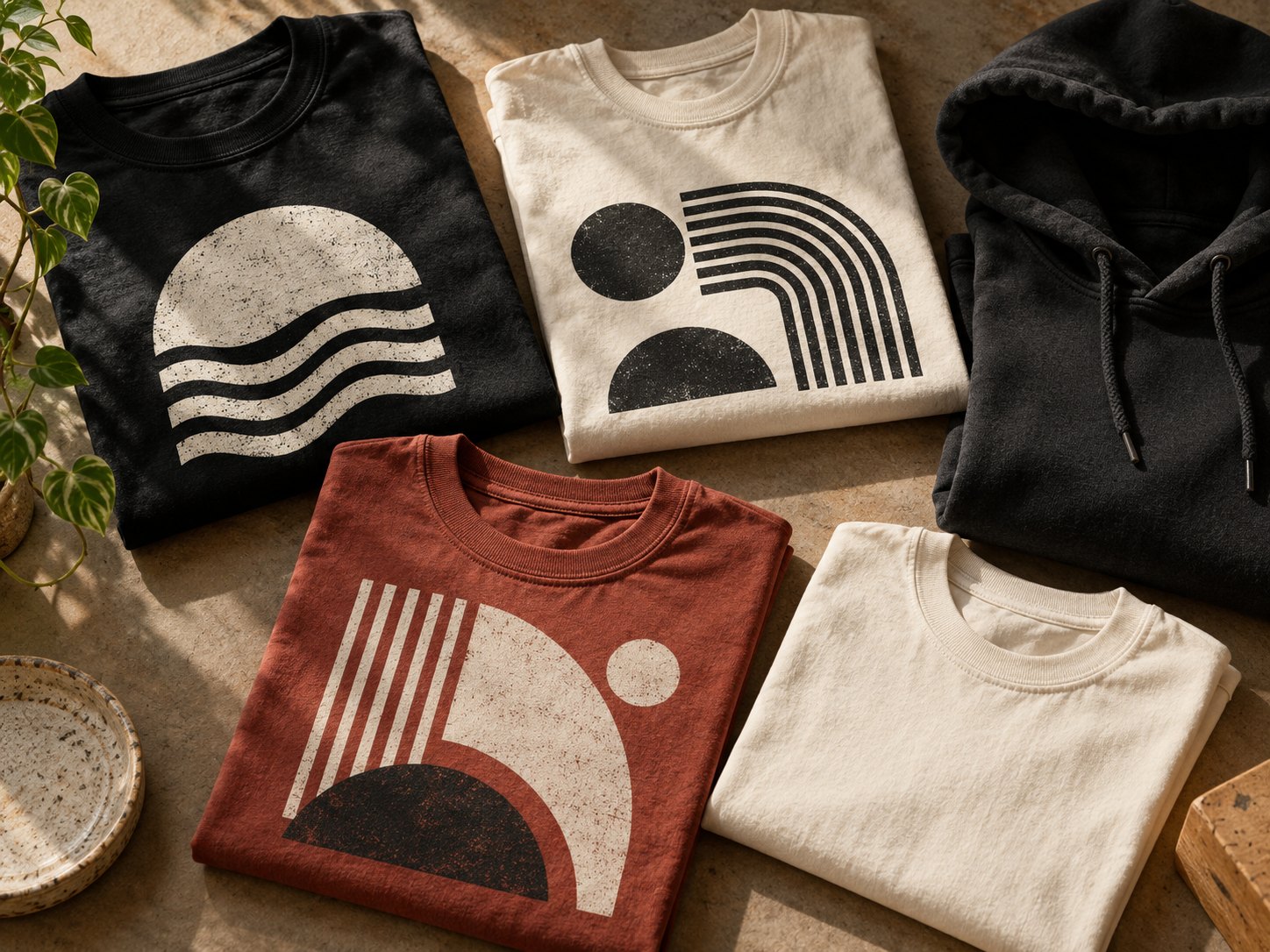
Another factor is the garment color. Printing a light-colored design on a dark shirt usually requires an underbase layer of white ink. That adds time and cost, but it is the only way to get vibrant colors. Some shops skip the underbase to save money, and the result is a muted, disappointing print. A good print shop will tell you upfront when your design needs an underbase and why it is worth the extra expense.
What to Look For in a Print Partner
Over the years I have worked with a few dozen print shops, from one-man operations running a single press in a garage to large facilities with automated lines. The best ones share a few common traits. They ask questions about the end use of the garment. They want to know if the shirts are for a one-day event or for employee uniforms that will be washed weekly. They ask about the fabric content and the desired hand feel. They also provide samples, not just a digital mockup. A digital mockup can look perfect and still print poorly. A physical sample shows you the ink thickness, the registration accuracy, and how the print feels on the skin.
Here are a few things I always check when I am vetting a new print partner:
- Their minimum order quantity. Some shops will do small runs, but the per-piece price will be higher. Know your budget and your needs.
- What inks they stock. Water-based inks are softer and more breathable, but they are harder to work with on dark fabrics. Plastisol inks are more durable and easier to print, but they have a heavier hand.
- Whether they offer color matching. If your brand uses a specific Pantone color, you want the print shop to match it, not just guess.
- Their turnaround time. A shop that is busy might need two to three weeks for a large order. Plan accordingly.
- How they handle errors. Every shop makes a mistake now and then. A good shop will reprint the bad shirts without a fuss.
Getting the Design Ready for Print
I have also learned that preparing artwork for custom garment printing is a skill in itself. A design that looks great on a computer screen may not translate well to a shirt. Fine lines, tiny text, and intricate details often get lost, especially in screen printing where each color is a separate screen. I once designed a logo with a lot of thin lines and small text. The print shop warned me that the text would be hard to read at shirt size, but I insisted. The result was a blurry mess. I had to reorder the shirts with a simplified design, and I was out the cost of the first batch.
Now I follow a few rules. I keep text to a minimum and make sure it is large enough to be legible from a few feet away. I limit the number of colors to keep costs down and registration easy. I also convert all text to outlines before sending the file, so the printer does not need the fonts installed. And I always provide the file at the correct size and resolution, usually 300 DPI at full scale. These steps save time and prevent misunderstandings.
Why Quality Matters for Your Brand
I have seen the difference a high-quality print makes at events. At a conference last year, two booths were giving away shirts. One booth had a soft, well-printed shirt on a quality brand of blank garment. The other had a stiff, scratchy shirt with a print that felt like plastic. I watched people walk past the second booth and grab the first one. The quality of the shirt and the print directly affected the brand perception. People wore the first shirt for months afterward. The second one probably ended up in a donation bin after one wear.
That is the power of good custom garment printing. When you get it right, your logo becomes something people want to wear. It becomes part of their everyday wardrobe, and every time someone sees it, they get a reminder of your brand. It is passive advertising that keeps working long after the initial event is over.
For businesses and organizations, the investment in quality printed apparel pays off in employee pride and customer recognition. A uniform that looks good and feels comfortable makes employees feel professional. It also makes it easy for customers to identify staff members. And when you give away quality apparel as a promotional item, you are more likely to see it worn again and again.
Finding a Reliable Partner
Choosing a print partner is a decision that should be based on more than price. I have learned to look for a shop that communicates clearly, provides samples, and stands behind its work. A good shop will also help you choose the right garment and print method for your specific needs. They will tell you if your design needs adjustments. They will not just take your order and run it without asking questions.
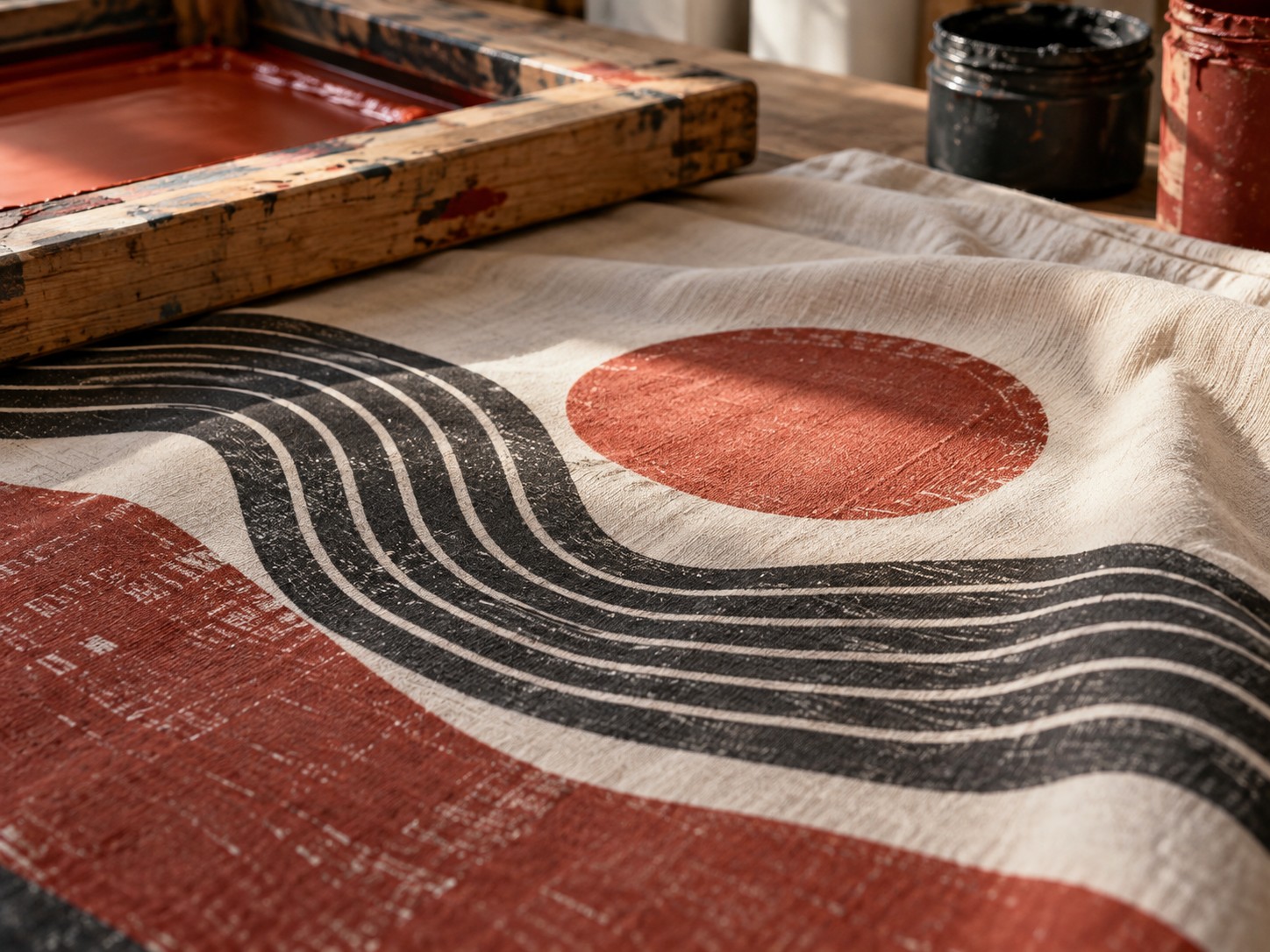
If you are in the Southern California area, there is a local option that fits that description well. DSP Printing, located at 11611 Salinaz Dr Ste O, Garden Grove, CA 92843, USA, offers custom screen printing and embroidered apparel services for businesses and organizations. You can reach them at +1 714-951-4919. They have the experience and equipment to handle a wide range of projects, from small team orders to large promotional runs.
At the end of the day, custom garment printing is about more than just putting a logo on a shirt. It is about creating a piece of marketing that people actually want to wear. It is about building a connection with your audience through a tangible item that represents your brand. When you invest in quality printing and quality garments, you are investing in the long-term perception of your business. That is an investment that pays off in ways that are hard to measure but easy to see.
Connect with us on Instagram.
Ends · GETCUSTOMGARMENTPRINTINGREPORT